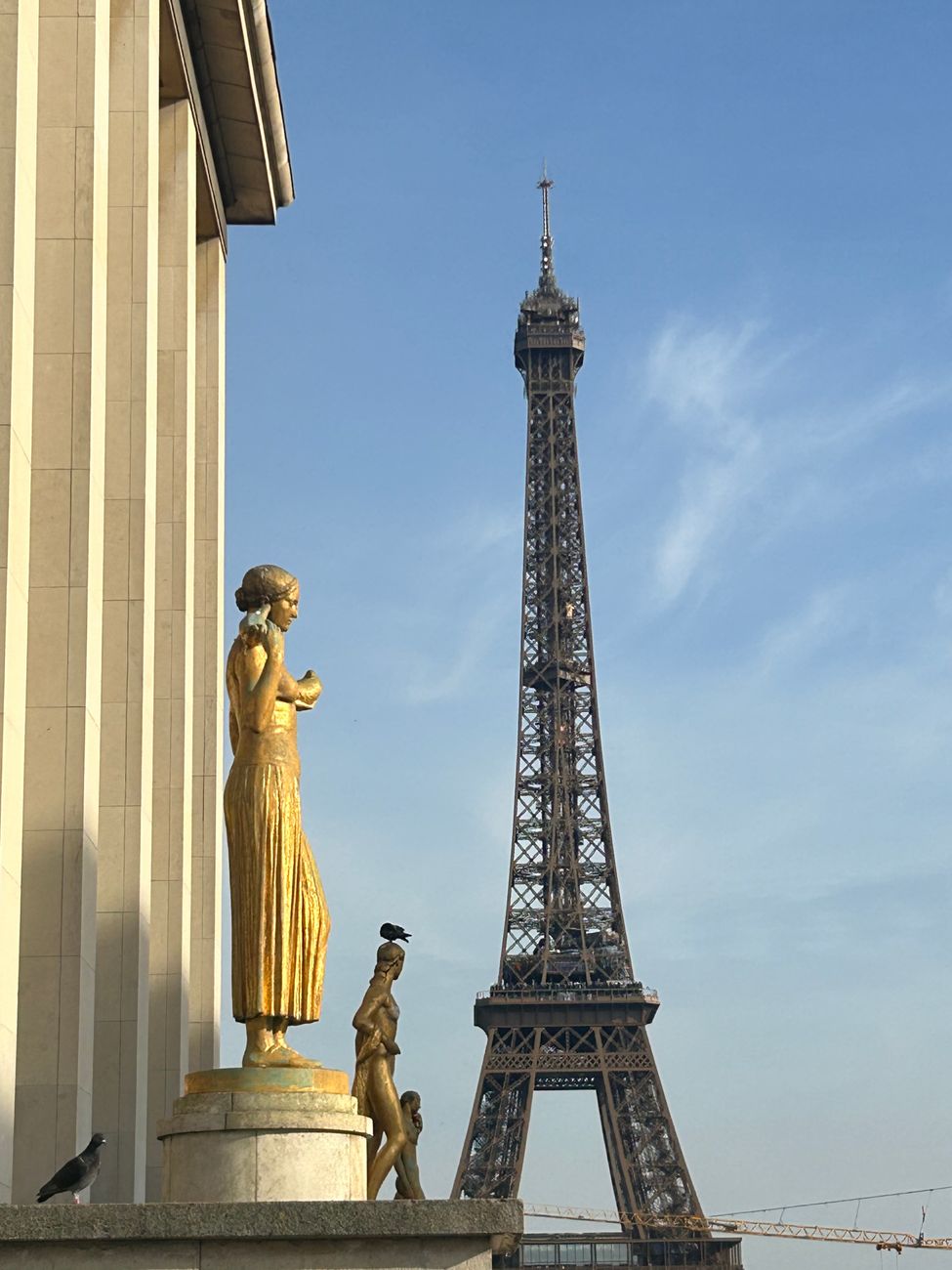
Why the landmark on the postcard still deserves a spot on your itinerary, and how to see it without the crowds and logistics stealing the magic.
Somewhere along the way, being a “sophisticated” traveler started to mean pretending we aren’t interested in the places that made us want to travel in the first place.
The Eiffel Tower? Too touristy. The Colosseum? Too crowded. Times Square? Absolutely not. And heaven forbid you admit you’d like to ride a gondola in Venice.
There’s a strange little competition in travel to prove we’re above the obvious. That we found the real destination while everyone else was standing in line for the attraction on the postcard.
I don’t buy it.
Sometimes the famous thing is famous for a very good reason. If you’ve spent years dreaming about seeing it, you should absolutely go. And as someone who plans trips for a living, I’m going to help you do it well.
You Don’t Have to Earn Your Traveler Credentials
I love finding places that aren’t in every guidebook. Give me a little neighborhood restaurant, a pretty street that isn’t on anyone’s itinerary, or a local market where I can spend an unreasonable amount of time looking at things I don’t need.
But I also want to see the things I’ve been looking at in photographs my entire life. Those two interests are not mutually exclusive.
You can admire the Colosseum in the morning and duck into a tiny Roman trattoria at lunch. You can visit the Eiffel Tower and spend the afternoon in a neighborhood you’d never heard of. You can take the obligatory photo in front of a landmark and still have a thoughtful, culturally rich trip.
There’s no special award for being the only person who skipped the most recognizable attraction in the country. And there certainly isn’t one for pretending you didn’t want to go.
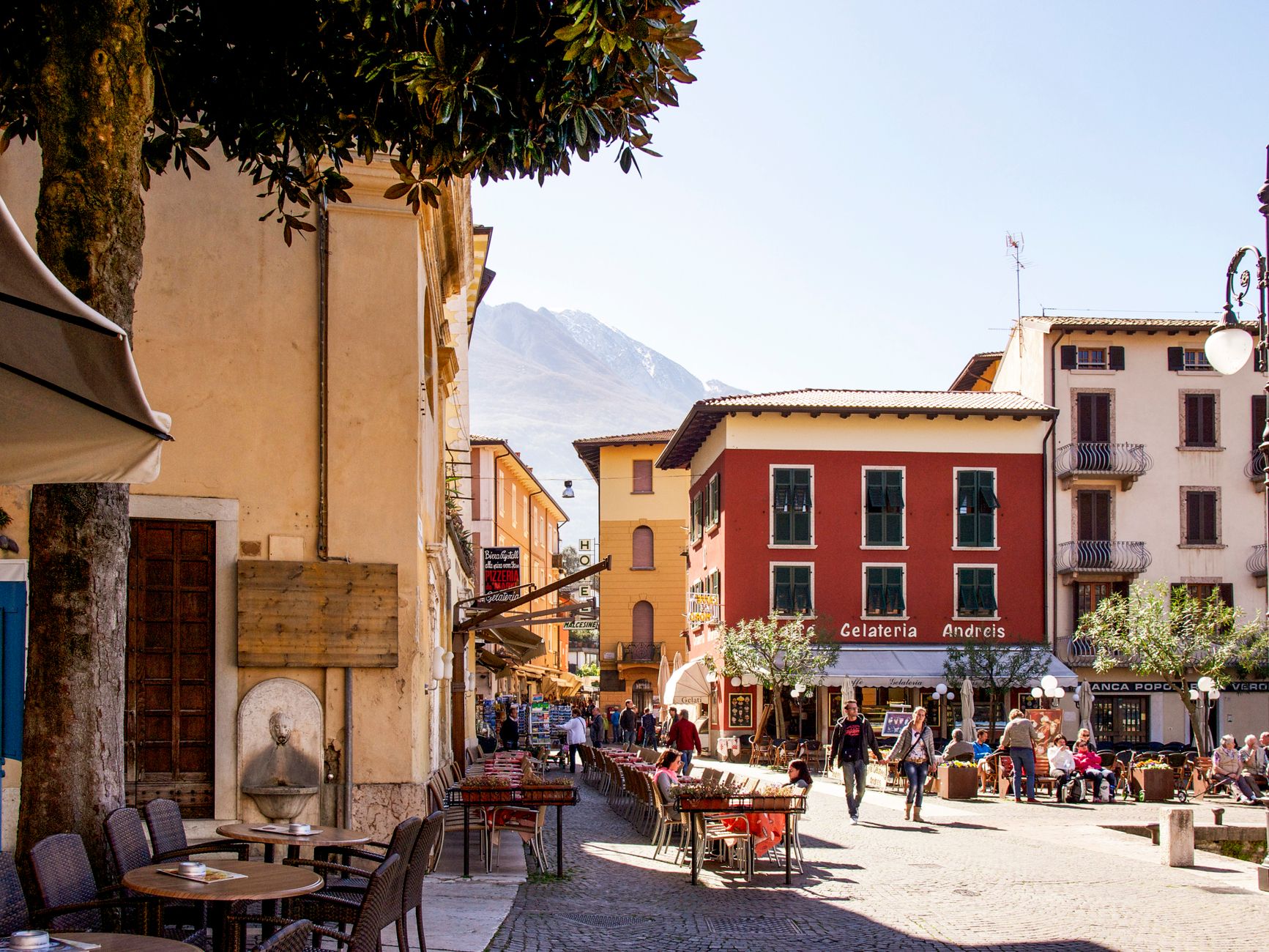
My Madrid moment
I had always wanted to see the Royal Palace in Madrid: the opulent rooms, the gardens, the centuries of history. So when Mike and I took our first trip to Spain, we started with a couple of days in Madrid, and I went all in.
I found what I’m fairly sure is the only hotel that looks straight out at the palace. Our balcony doors opened onto it, so every morning I sipped my coffee and took in the palace and the plaza below. We walked over and did the tour. I saw exactly what I’d been looking forward to.
Were there tons of other people doing the same thing? Absolutely. Did I love it anyway? Every minute.

Some Places Really Are Worth the Hype
Think about the places that first made you want to travel. Maybe a movie set in Paris had you imagining a stroll along the Seine. Maybe you’ve been saving photos of the Amalfi Coast for years. Maybe you’ve wanted to stand in front of the pyramids since you were a child.
Or perhaps you’re a perfectly respectable adult who wants to visit Hobbiton in New Zealand because you love The Lord of the Rings. (Me too. I’m seeing it next year!)
I’m not here to judge. I’m here to encourage it.
There’s something wonderful about standing in a place that has lived in your imagination for years. You know what it looks like from books, films, documentaries and a thousand photographs. But being there is different. You hear the sounds around you. You feel the scale. You notice the details the photos leave out.
Sometimes the real thing exceeds the fantasy. Sometimes it doesn’t. Either way, there’s value in finding out for yourself.
The fairytale castle that lives up to it
Have you seen photos of Neuschwanstein? It’s the castle in the Bavarian Alps of southern Germany that practically defines the word “fairytale.” The photos don’t do it justice. In person, it is magnificent.
What many people don’t realize is that there’s a second castle just below it, Hohenschwangau, where King Ludwig II spent his childhood. You can tour both in the same visit. Standing there, it’s hard not to marvel that someone dreamed this up in his mind and turned it into a real, physical place that has stood the test of time.
I did the tour with far too many people. And I’m so glad I did. That experience is mine now, and every time I see another photo of that gorgeous castle (and I will), I have a personal connection to it.
[Insider Tip: There are horse drawn carriages that will take you from Neuschwanstein to the bottom of the hill. It’s not expensive and can save your legs. However, they take a specific number of passengers, and I have found myself, more than once, waiting to fill those seats. Of course, people won’t get in because it looks full. If you ask the driver how many more they are waiting for and if you are willing to pay for the empty seats, they will take you down without them. I’ve had other passengers pitch in as well.]

Famous Is Not the Same as a Tourist Trap
Here’s a distinction worth making. “Famous attraction” and “tourist trap” get used as though they mean the same thing. They don’t.
The Acropolis is famous because it’s extraordinary. The Grand Canyon draws enormous crowds because it’s one of the most remarkable landscapes on Earth. The Vatican Museums are busy because they hold centuries of art and history. None of these places becomes less significant because a lot of people want to see them.
A tourist trap is different. It relies more on separating visitors from their money than on delivering a great experience.
How to spot a true tourist trap
- An overpriced restaurant serving forgettable food in the shadow of a landmark, with a menu in six languages and someone outside waving you in.
- A tour promising “exclusive” or “skip-the-line” access that turns out to be neither.
- An attraction whose marketing is far more impressive than the attraction itself.
Popularity doesn’t make something a tourist trap. Poor value does.
And even then, value is personal. If you’ve always wanted to ride a gondola in Venice, I’m not going to tell you to skip it because someone on the internet decided it’s overpriced. I’ll help you understand the cost, choose a beautiful route, and decide whether it’s worth it to you. That’s very different from telling you not to go.

Let the Landmark Be the Beginning, Not the Whole Day
This is where the conversation about “experiential travel” sometimes goes sideways. You don’t have to avoid famous attractions to experience a destination meaningfully. You just have to remember that the destination is bigger than its headliners.
- See the Eiffel Tower, then spend the afternoon in a neighborhood where people are going about their ordinary lives.
- Visit the Colosseum, then find a long, leisurely lunch somewhere without a view of it.
- Take the photo at the famous viewpoint, then put your phone away and enjoy the place without thinking about how it looks on Instagram.
Often it’s the wandering afterward that becomes the part you remember most. A beautiful little square. An unexpectedly perfect meal. A conversation with someone who lives there. A shop you’d never have found without a wrong turn.
Those moments don’t have to compete with the landmark. They can be part of the same day.
Please Stop Telling Me to “Travel Like a Local”
Travel advice has become a little too absolute for my taste.
Never eat near a tourist attraction. Always travel like a local. Skip the popular places. Avoid anything you’ve seen on social media.
I understand the intention. People want travelers to have more authentic experiences, support local businesses and see beyond the obvious. All reasonable goals. But there’s a difference between encouraging curiosity and dictating what a “good” traveler is allowed to enjoy.
And honestly? Most locals aren’t spending their Tuesday morning at the historic sites in their own city. They’re going to work, picking up groceries and trying to remember whether they paid the electric bill.
I didn’t travel halfway around the world to pretend I have errands. I traveled to experience somewhere different. Sometimes that means sitting in a neighborhood café watching the world go by. Sometimes it means standing in line with several hundred other people because what’s at the end of that line is something I’ve wanted to see for twenty years.
Both are worthwhile.
Authentic Travel Isn’t About Being the Only Tourist
I think people sometimes confuse authenticity with obscurity, as though an experience becomes more “real” simply because fewer visitors know about it. But a destination’s famous landmarks are often deeply woven into its culture, history and identity. Visiting them isn’t superficial. How you approach them is what makes the difference.
You can walk through a historic site, snap three photos and leave having learned very little. Or you can go with a knowledgeable guide, understand what you’re looking at, and walk away with a completely different appreciation for the place.
You can rush through a museum because it’s on your checklist. Or you can choose the exhibits that genuinely interest you and give yourself time to enjoy them. Same attraction. Completely different experience.
Authentic travel isn’t about going where nobody else goes. It’s about being genuinely interested in where you are.
And Sometimes, It’s Fine to Skip It
Before anyone accuses me of championing every tourist attraction on Earth, there’s another side to this. You don’t have to visit something just because it’s famous.
- If you’re terrified of heights, you don’t need to pay for the city’s highest observation deck.
- If crowds drain you, a particular experience may not be worth the stress.
- If art isn’t your thing, four hours in a museum may not be the best use of your afternoon.
- If seeing something would eat an entire day of a short trip, it’s perfectly reasonable to let it go.
Just make that decision because the experience isn’t right for you, not because someone else thinks you’re unsophisticated for wanting to go.
How to Do the Famous Thing Well
Here’s the good news: with thoughtful planning, you can see popular attractions without letting the crowds and logistics take over your day. You can’t make the crowds disappear, but you can make much smarter choices. This is a big part of what I do for my clients.
- Book the right tickets, early. Many major sites, including Neuschwanstein, the Vatican Museums and the Acropolis, use timed entry or sell out in busy seasons. Planning ahead is the difference between enjoying the experience and spending half your day trying to get in.
- Hire a guide when it adds something. A great guide can turn an impressive building into a story you’ll retell for years. Not every site needs one, but places layered with history, like Rome, Athens and the Vatican, absolutely benefit.
- Think about timing. Early mornings, weekdays and shoulder seasons can make a real difference. Just don’t assume every landmark will be empty at sunrise because an influencer said so.
- Plan one big thing per day. Three major landmarks in one afternoon may look efficient on paper, but it rarely makes for an enjoyable vacation. (Though sometimes they are literally right next to each other.)
- Leave unscheduled time afterward. Plan the headline attraction, then leave room to explore the surrounding area with no agenda.
- Don’t assume premium means better. Sometimes paying more buys real access or convenience. Sometimes it’s simply more expensive. A good advisor can tell you which is which.
- Consider the hotel as part of the experience. A well-chosen hotel can put the landmark right outside your window, like my balcony in Madrid, and make early-morning or after-hours visits easy.
A word on dinner reservations in Europe
In most of Europe, reservations matter, especially on weekends and holidays. Even though I plan travel professionally, I still occasionally get this wrong. Sometimes we get lucky and snag the last table for two in town. Other times I’m enlisting the hotel owner or front desk to help us find a table that same night.
Here’s what many travelers don’t realize: unlike in the U.S., a dinner reservation in much of Europe usually means the table is yours for the entire evening. Restaurants don’t “turn” tables the same way, so a full room tends to stay full.
If you find yourself without a reservation, lead with your manners. Be polite, friendly and understanding. Most people genuinely want to help. One evening, a restaurant manager looked around his packed dining room and kindly told us to come back in about 45 minutes because a table might open up. We did. He was lovely, and the food was unforgettable.
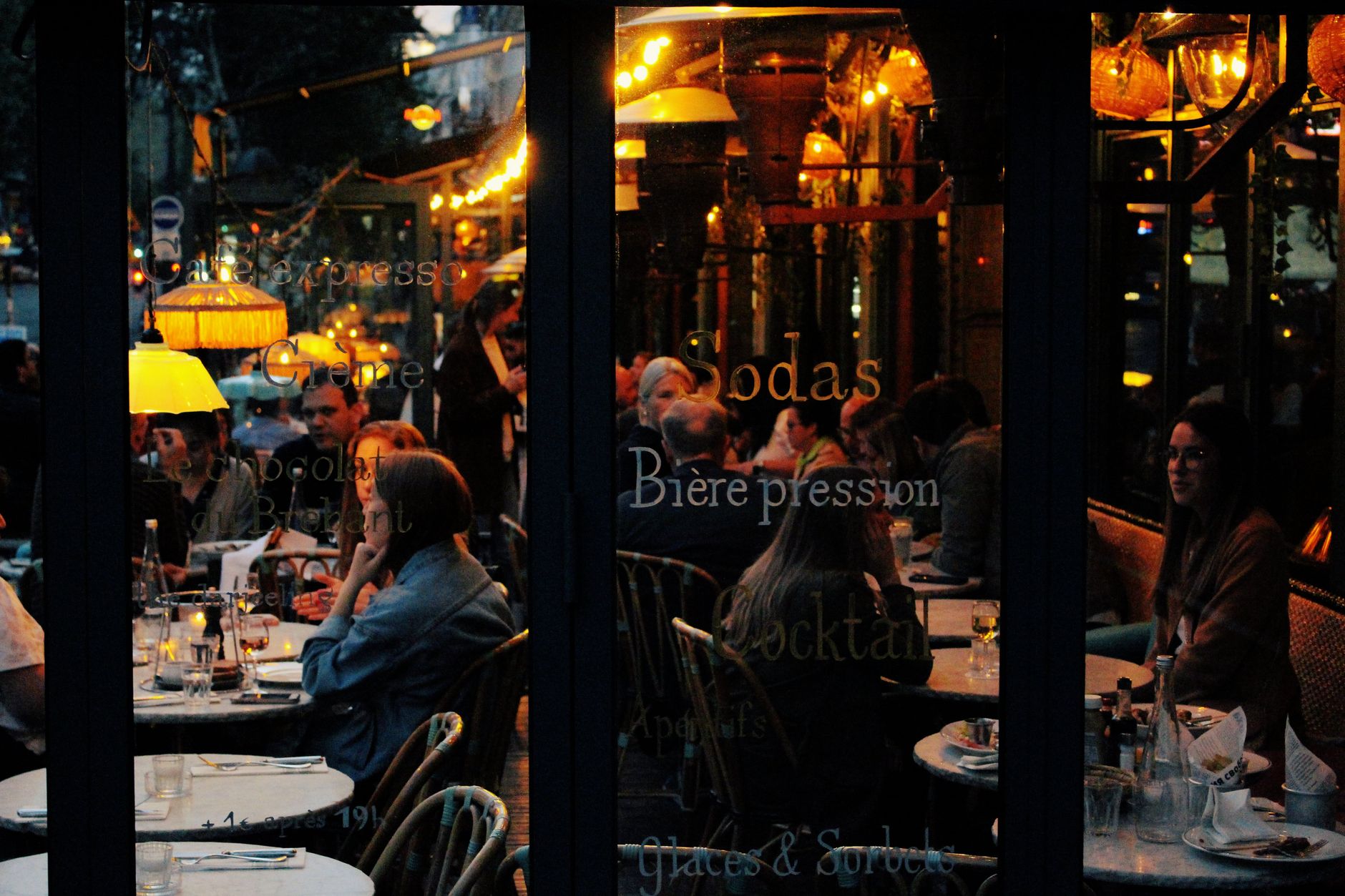
Make Room for Both the Iconic and the Unexpected
My ideal trip has a little of everything. I want to see the places that got me excited about the destination. I want a memorable meal or two. I want to learn something. I want to wander through neighborhoods, stumble onto local spots and occasionally have no plan at all.
I want experiences that feel special, but I don’t need every hour to be extraordinary. And I certainly don’t want to spend my vacation worrying about whether someone else would approve of my itinerary.
The iconic and the unexpected often make each other better. The famous landmark connects you to the place you’ve imagined. The small, unplanned moments connect you to the place as it actually is. You don’t have to choose between them.
Go See the Thing
If you’ve dreamed of seeing the Eiffel Tower, go see the Eiffel Tower.
If you’ve always wanted to ride a gondola in Venice, ride the gondola.
If Hobbiton is the reason you’re finally booking New Zealand, put it on the itinerary.
Take the photo. Enjoy the moment. Be delighted if it lives up to your expectations. And if it doesn’t, at least you’ll have your own opinion instead of someone else’s.
Then walk a few streets farther. Find somewhere interesting to eat. Explore a neighborhood. Leave a little room for the unexpected.
Because the point of travel isn’t to prove you know more than the tourists. It’s to experience the world in a way that means something to you.
And sometimes, that starts with doing the famous thing.
Have a bucket-list landmark in mind?
Whether it’s the Royal Palace in Madrid, a fairytale castle in Bavaria or the Shire itself, I’d love to help you see it the right way: the right tickets, the right timing, a guide worth having, a hotel that adds to the experience, and plenty of breathing room for the moments you can’t plan.
Tell me what’s been on your list the longest, and let’s start planning.


