Travel has become very good at giving us lists. Ten things you cannot miss. Five restaurants everyone is booking. The photo spot, the famous viewpoint, the hotel that is suddenly everywhere. None of those things is inherently bad. Some are famous for very good reasons. But a trip can be full of must-sees and still leave you feeling as though you never really got to know the place.
Worse, you can spend your days moving from one crowded, overpriced, tourist-facing experience to the next and come home knowing very little about what made the destination interesting in the first place. That is a shame, especially when the place itself had so much more to offer.
Experiential travel is a way of planning a trip around meaningful participation and connection to a place, rather than simply moving through a list of sights. It starts with what you want to taste, learn, do, notice, and remember – then builds the hotels, transportation, restaurants, and pacing around those priorities.
For me, experiential travel is less about collecting destinations and more about creating a relationship with one. You should come home knowing something you did not know before, having tried something you would not normally do, and with at least one story that could only have happened there. Those are the stories your friends tell after a great trip that make you think, I never would have thought to do that.
Experiential travel starts with a better question
Most trips begin with a destination: We want to go to Japan. We are thinking about Portugal. We want to celebrate in New Zealand. That is useful, but it is only the first layer. The better planning question is: what do you want this trip to feel like?
Do you want energy and late dinners? A little adrenaline? A few excellent meals that become part of the story? Do you want to learn something, soak somewhere, sail somewhere, taste something at the source, or spend an afternoon wandering with no particular objective? Maybe you want the day to be active and the hotel to be beautiful. Maybe you want three days in a city followed by a few days somewhere quieter.
Those answers tell me far more about the right trip than a list of landmarks ever could. Once the priorities are clear, the destination stops being a backdrop and starts shaping the experience.
A destination should be more than scenery
Experiential travel asks you to engage with what makes a place distinct. That might mean food, wine, architecture, music, landscape, design, history, wellness traditions, or even car culture. The point is not to perform some idealized version of living like a local. You are a visitor, and there is nothing wrong with that. In fact, trying too hard to blend in can become its own kind of performance.
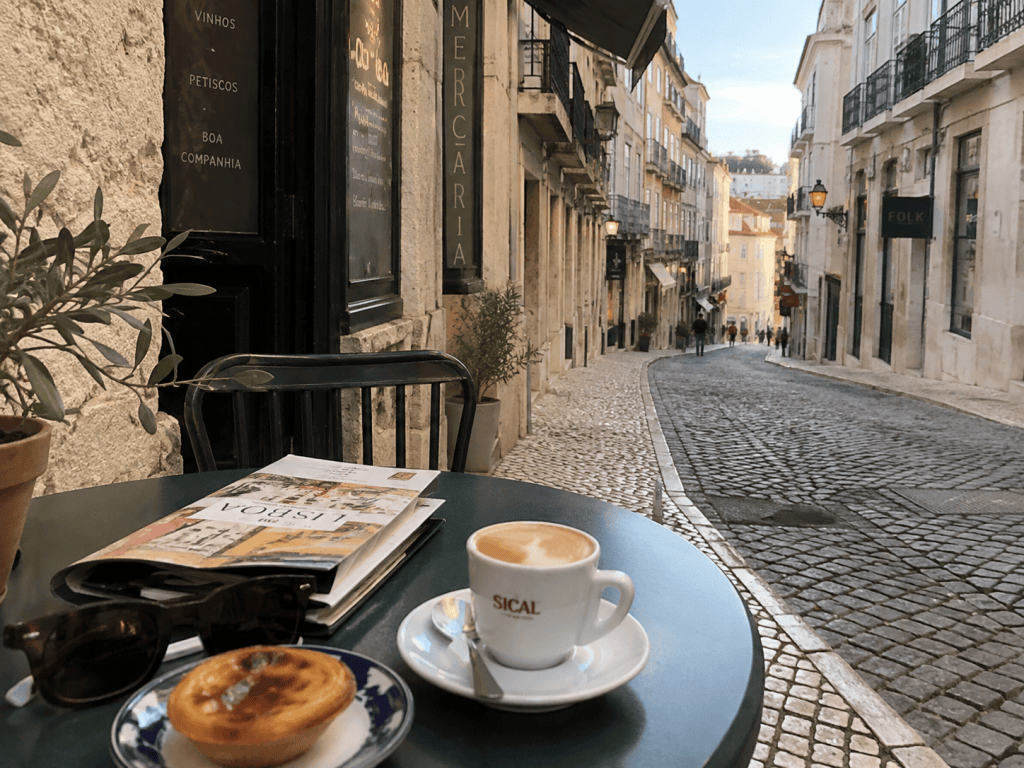
The goal is simply to experience more of the destination than its most photographed surface. In Tokyo, that might mean breakfast in a neighborhood spot, an afternoon exploring Japanese automotive culture, and a small cocktail bar after dinner. On Waiheke Island, it might mean ziplining through native bush before settling into an afternoon of wine tasting. In Lisbon, it might mean choosing a hotel in a neighborhood where dinner and a late walk feel easy, then leaving one afternoon deliberately unplanned.
The common thread is participation. You are not simply looking at the destination. You are allowing the place itself to influence how you spend your time.
Comfort and experience are not opposites

There is a persistent idea that real travel has to be uncomfortable to count. I do not subscribe to it. I love luxury in all the forms it can take. Sometimes that is an exceptional hotel with amenities you genuinely enjoy. Other times it is a family-run guest house in a small town where the owners know your name, help with dinner reservations, and point you toward the places they actually like.
Sometimes the most memorable luxury is access: a guide who loves their city and shows you a side of it you would not have found on your own, a host who knows exactly where to send you for dinner, or a small property where being cared for feels personal instead of scripted.
You can spend the day hiking, driving, tasting, learning, sailing, or getting wonderfully lost in a city and still want a good mattress, an excellent shower, and a hotel bar that knows what it is doing. Comfort does not make an experience less meaningful. Often, it gives you the energy to enjoy more of it.
The same is true of luxury. A higher price is not automatically a better experience, and luxury for luxury’s sake is rarely the point. I am far more interested in whether spending more changes the trip in a meaningful way. A private guide who can open up a city differently? Possibly worth it. A transfer after an overnight flight that eliminates two trains and a luggage problem? Very possibly. A hotel that costs twice as much but leaves you farther from everything you came to experience? Maybe not.
The best version of experiential travel is not about roughing it or showing off. It is about spending intentionally.
The best itineraries leave room for the destination to happen
One of the easiest ways to flatten a trip is to schedule every hour of it. A well-planned itinerary should have structure: the restaurant that genuinely needs a reservation, the guide who is worth booking, the experience with limited availability, the train that gets you where you need to go. But structure and overplanning are not the same thing.
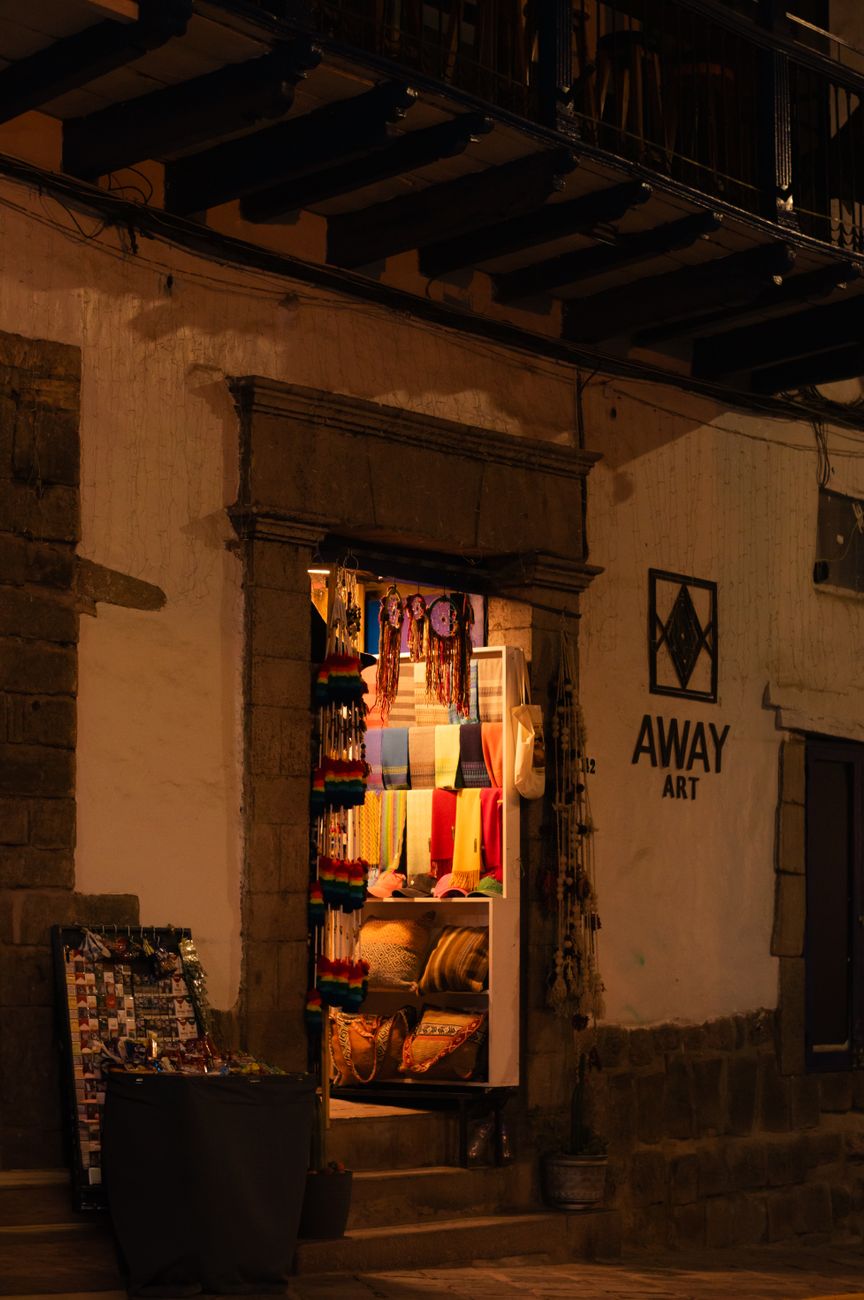
Some of the best travel moments are the ones you could not have put on a spreadsheet beforehand. Maybe lunch runs long because the wine is good. Maybe you find a shop you want to spend an hour in. Maybe it rains and the day changes. Maybe the view from a cafe is better than the next thing on the itinerary. If every minute is already spoken for, there is no room to say yes to any of it.
Experiential travel needs a little white space. Not wasted time – usable time.
Slower does not have to mean slow
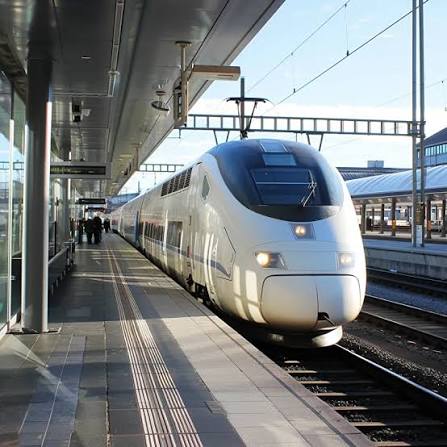
I am not suggesting that every trip needs three-hour lunches and a week in one village. Some people genuinely like movement, energy, and a full day. The goal is not to travel slowly for the sake of it. The goal is to avoid moving so quickly that the logistics become the main experience.
I personally love having a well-situated home base. It does not have to be a major city. Give me a town that puts me within reach of the region I want to explore and a comfortable place to come back to at the end of the day. That is often a better way to understand an area than repacking every morning.
There are trips where moving every few nights makes perfect sense, too. A good small hotel or guest house can become part of the experience, especially when the hosts help with dinner reservations, transportation, or the deceptively simple question: where do you go?
Checking out, transferring, waiting, checking in, unpacking, and learning a new neighborhood all take time. Do that every day or two and a ten-day trip can start feeling like a series of hotel lobbies. Sometimes the smarter choice is three nights instead of two. Sometimes it is a day trip instead of moving hotels. Sometimes it is choosing one country and experiencing it well instead of trying to collect three. A good itinerary should have momentum, but it should also give you time to settle in.
What experiential travel can actually look like
It does not require an obscure destination or an elaborate private tour. In practice, experiential travel can be remarkably simple. It might look like:
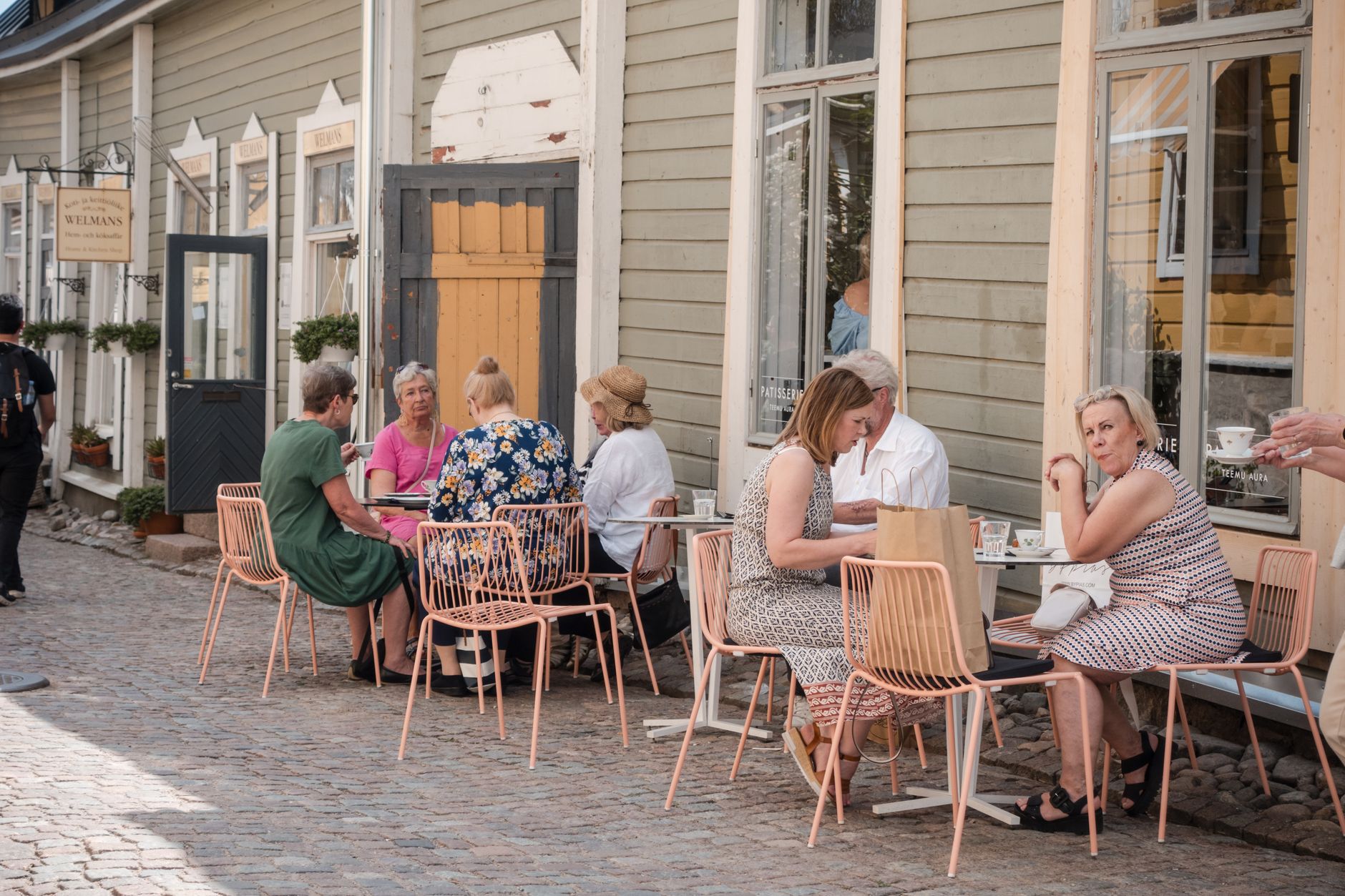
- Choosing a small hotel, guest house, pension, or hostal in a neighborhood you actually want to walk through at night, rather than defaulting to the highest-rated property twenty minutes away. The terminology varies by country, which is one reason it helps to know what you are actually booking.
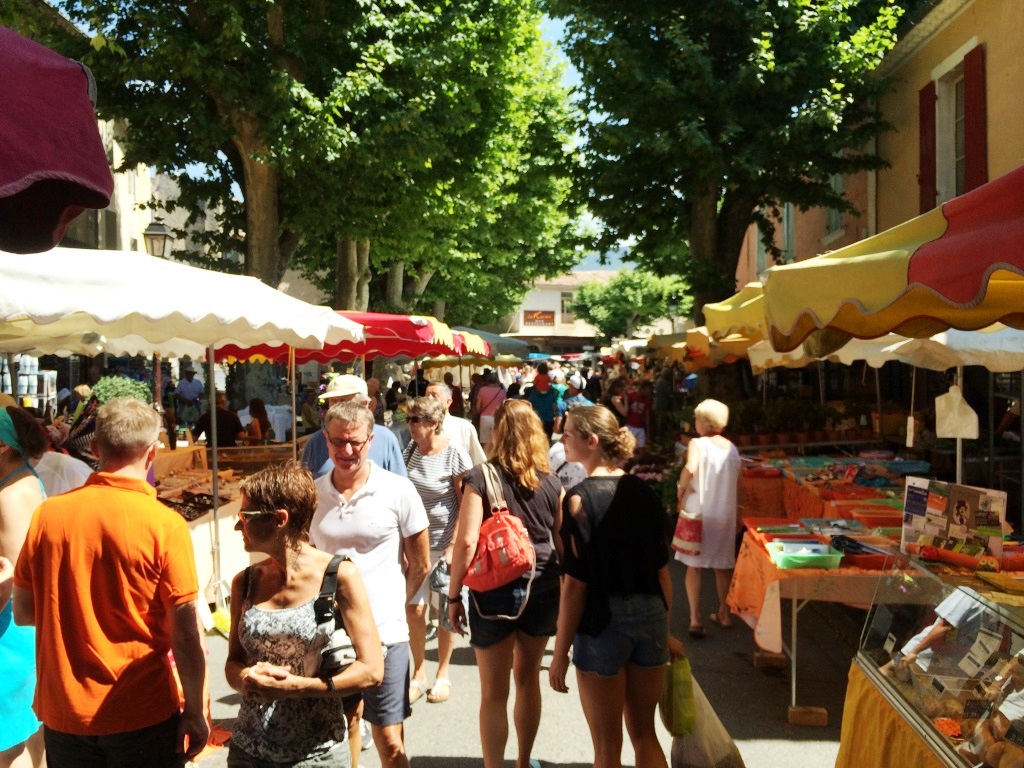
- Booking a market visit and cooking experience because food is one of the reasons you chose the destination in the first place. I absolutely love the idea of someone’s nana showing you how to make the dish her family has been making for years – the one you are not going to find in exactly the same form anywhere else.
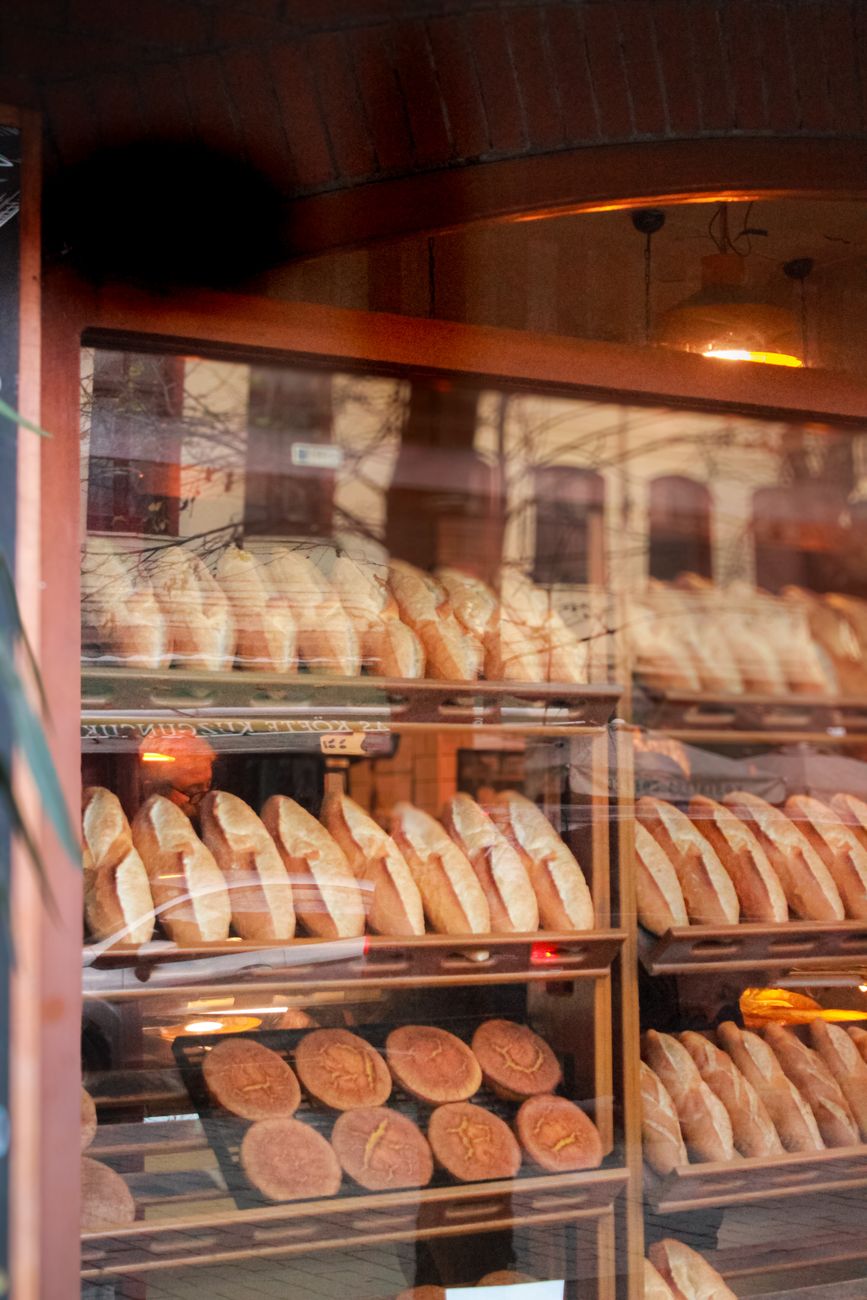
- Spending the morning doing something active, then making the afternoon intentionally easy. Walk to the bakery. Pick up bread that needs absolutely nothing on it. Notice that the quick errand locals make with a handcart tells you something about daily life that a tour bus never will.
- Pairing a major city with wine country, coast, mountains, countryside, or a thermal spa instead of adding another city simply because it is nearby. On our first trip to Spain, my husband’s wish list stretched across several regions and into Portugal. It simply was not feasible. I narrowed us to a region, and from there we chose the towns where we actually wanted to spend our time.
- Taking a private or local guide for one day where context will genuinely change what you understand, then exploring independently the next. The best guides do more than recite dates. They help you understand how a place works and why it matters to the people who live there.
- Building one meaningful splurge into the trip instead of upgrading everything indiscriminately. This is one of my favorites. What is the quintessential experience you cannot imagine coming all this way and not doing? What is the memory that will bring the whole trip back when you think about it years later? That may be worth far more than a four- or five-star room every night.
None of these choices is particularly dramatic, and that is part of the point. Experiential travel is not about manufacturing extraordinary moments every hour. It is about making enough thoughtful choices that the trip feels connected, personal, and unmistakably tied to the place you came to see.
It is also okay to do the famous thing
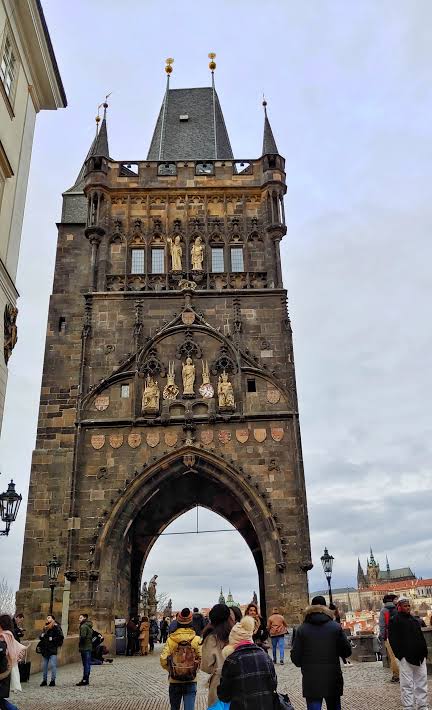
There can be a strange pressure in modern travel to prove that you discovered somewhere no one else knows about. I think that misses the point, too. Everyone is sharing where they went, what they ate, and the place you apparently have to see before everyone else gets there.
Go to the Eiffel Tower if you have always wanted to see it. Walk through Fushimi Inari. Visit Hobbiton. Take the photo. Famous places are often famous because they are remarkable.
The difference is what surrounds them. If every day is built entirely from the same top-ten list everyone else is using, the trip can feel generic. If the famous experience sits inside an itinerary shaped around your own interests, it becomes part of a much more personal whole.
How I build an experience-led trip
I tend to think about a trip in layers. First: why this destination, and why now? Then: what are the two or three experiences that would make the trip feel worthwhile even if nothing else went perfectly? From there, the hotel, neighborhood, transportation, restaurants, and pacing should support those priorities rather than compete with them.
That may mean paying more for location and less for room category. It may mean protecting an unscheduled afternoon instead of squeezing in another tour. It may mean choosing the early ferry because a quiet morning on the island matters more than sleeping in. There is no universal formula, because the entire point is that the itinerary should make sense for the people taking it.
The same principle applies to the budget. I do not look at a travel budget as a punishment line you can never cross. I look at what matters most, then make the rest of the trip support it. If there is one experience you cannot get anywhere else and you want to splurge on it, do it. Save on the room category. Use the train or public transportation when it makes sense. Skip the overrated, overpriced restaurant you only know about because TikTok told you to go. Find the local spot instead.
A good trip should feel considered without feeling controlled.
The goal is not to see everything
You will never see everything. That is one of travel’s better truths.
There will always be another restaurant, another neighborhood, another museum, another island, another reason to come back. Trying to fit all of it into one trip usually means spending more time moving than actually experiencing where you are.
I would rather come home knowing a place a little better than leave with a long list of things I technically saw.
That is really what experiential travel comes down to. Choose the things that matter to you. Spend where it changes the experience. Stay somewhere that makes the trip easier or more enjoyable. Leave enough room for the unexpected thing you did not know to plan for.
And when something is worth doing simply because you have always wanted to do it, do that too.
A good trip should feel thoughtful without feeling managed. It should have enough structure to run smoothly, enough comfort to enjoy it fully, and enough freedom for the destination to surprise you.
You do not need to do everything for a trip to feel full.
You just need to do the right things well.
If this sounds like the way you want to travel, that is the kind of trip I love building: experience first, comfortable where it matters, and personal enough that it could not have been anyone else’s itinerary.


 She Travels in Style